

Join
The VA Community Care Network
A Guide for Nuclear Medicine Providers
In California, independent Physician Assistants (PAs) can bill the Department of Veterans Affairs (VA) for services provided to veterans, but it’s essential to understand the regulations surrounding this process.|
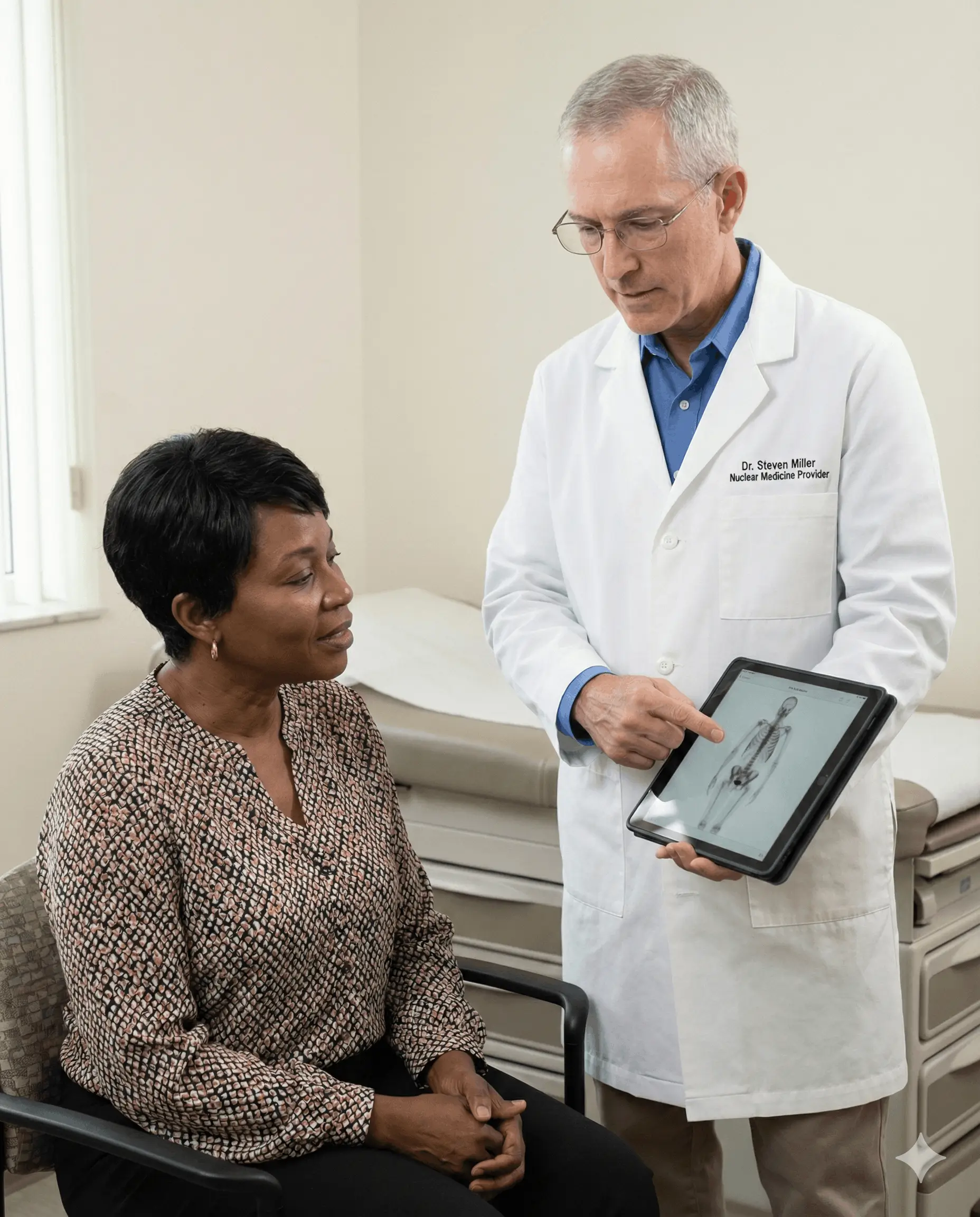
Welcome to Veterans Desk, your trusted resource for helping healthcare professionals serve our nation’s veterans. This guide is designed for Nuclear Medicine physicians and technologists who specialize in diagnostic imaging and targeted therapies using small amounts of radioactive material. Whether you’re offering PET/CT scans, bone scans, or radionuclide therapy, this guide provides everything you need to enroll in the VA Community Care Network (CCN).
Veterans are more likely to experience conditions such as cancer, cardiovascular disease, thyroid disorders, and service-related trauma. Nuclear Medicine enables earlier and more precise diagnoses, as well as therapeutic interventions that are minimally invasive and highly effective. By participating in the CCN, you help ensure that veterans receive timely, specialized, and life-saving care tailored to their complex health needs.
Step-by-Step Enrollment in the VA CCN
Verify Your Credentials
- Hold board certification in Nuclear Medicine (e.g., American Board of Nuclear Medicine or an equivalent recognized body)
- Maintain a valid, unrestricted state medical license
- For technologists, certification by NMTCB or ARRT(N) may be required based on facility and state guidelines
Prepare Required Documents
- Updated CV or resume
- Signed W-9 for reimbursement
- Proof of malpractice insurance (if applicable)
- Facility accreditation (e.g., ACR, IAC) and radiation safety compliance documentation
- Documentation of state/federal compliance with radioactive materials handling
Submit Your Application
Apply through your region’s Community Care Network portal:
• Optum (Regions 1–3):
• TriWest (Regions 4–5):
Complete Required Training
VA onboarding and educational modules may include:
• HIPAA and data privacy
• Radiation safety and emergency procedures
• VA EHR use and care coordination
Training link:
Credentialing & Facility Review
• Credentials and background are reviewed by VA and CCN officials
• Facility evaluations may be conducted to ensure compliance with VA safety and accessibility standards
Final Contract
- Upon approval, you will receive a formal agreement detailing reimbursement structures and practice expectations
- Once signed, you may begin providing nuclear imaging and/or therapeutic services to eligible veterans

As a Nuclear Medicine provider, your role in the VA CCN includes:
- Delivering advanced imaging such as PET, SPECT, and nuclear cardiology
- Offering targeted radionuclide therapy for cancers, thyroid disease, or bone metastases
- Contributing to early disease detection, staging, and ongoing surveillance
- Coordinating care with VA radiologists, oncologists, cardiologists, and primary care teams

Key Benefits of Joining the VA CCN
- Serve High-Risk Populations: Veterans face a unique spectrum of conditions that benefit from early detection and targeted therapy using Nuclear Medicine
• Streamlined Reimbursement: Receive payment for medically necessary procedures outlined in the veteran’s approved care plan
• Collaborative Environment: Work closely with a multidisciplinary team across VA hospitals and specialty clinics
• Cutting-Edge Practice: Utilize the latest technology to provide evidence-based care for oncology, endocrinology, cardiology, and more
• Reduced Administrative Burden: Participate in a network designed to minimize paperwork and maximize patient care

Bridging the Gap for Veterans

Educational Support & Career Growth
- Participate in VA-sponsored continuing education on oncology, thyroid disorders, cardiology, and the use of radiopharmaceuticals
• Eligible providers may receive student loan forgiveness—visit VA Education and Training to learn more

Transitioning from Military Service
- Former military Nuclear Medicine specialists or technologists should ensure their civilian credentials are active
• Highlight experience with DoD facilities, deployment-related imaging, or therapy in your application
Frequently Asked Questions (FAQs)
What Nuclear Medicine procedures are typically covered by VA CCN?
PET/CT, bone scans, myocardial perfusion imaging, thyroid uptake scans, and targeted radionuclide therapies (e.g., I-131 for thyroid cancer, Sm-153 for bone pain) are commonly reimbursed when medically necessary and included in the care plan.
Can veterans receive radiopharmaceutical therapies through the VA CCN?
Yes. Therapies such as I-131 or radiolabeled antibodies are reimbursable if authorized in the veteran’s care plan.
Do Nuclear Medicine providers handle both imaging and treatment?
Yes. Providers may offer both services if licensed and credentialed appropriately. Each must be approved in the veteran’s treatment plan.
Is special accreditation required for facilities offering these services?
Absolutely. Facilities must comply with state and federal radiation safety standards and maintain accreditation from relevant bodies (e.g., NRC, ACR, state health department).